Do not wait for every symptom. Do not wait for a rash. If you are worried, say so.
Why this matters…
Meningitis is inflammation of the lining around the brain and spinal cord. It may be caused by bacteria or viruses. Bacterial meningitis is rarer but can be very serious.
It is spread through droplet infection; i.e. sneezing, coughing or kissing as the bacteria or virus is usually carried in the nose.
Some cases can lead to sepsis, which is life-threatening. Early recognition and urgent action can save lives.
Important messages
Symptoms can appear in any order and not everybody gets every symptom.
A rash may not appear, especially early on.
Students are not causing inconvenience by speaking up.
Tutors should take concerns seriously and help students access support quickly.
Symptoms that need urgent attention
Symptoms can include fever, headache, vomiting, rash that does not fade when pressed with a glass, stiff neck, dislike of bright lights, drowsiness, confusion, seizures, cold hands and feet, muscle or joint pain, pale or mottled skin, and rapid breathing. You may not see all of these.
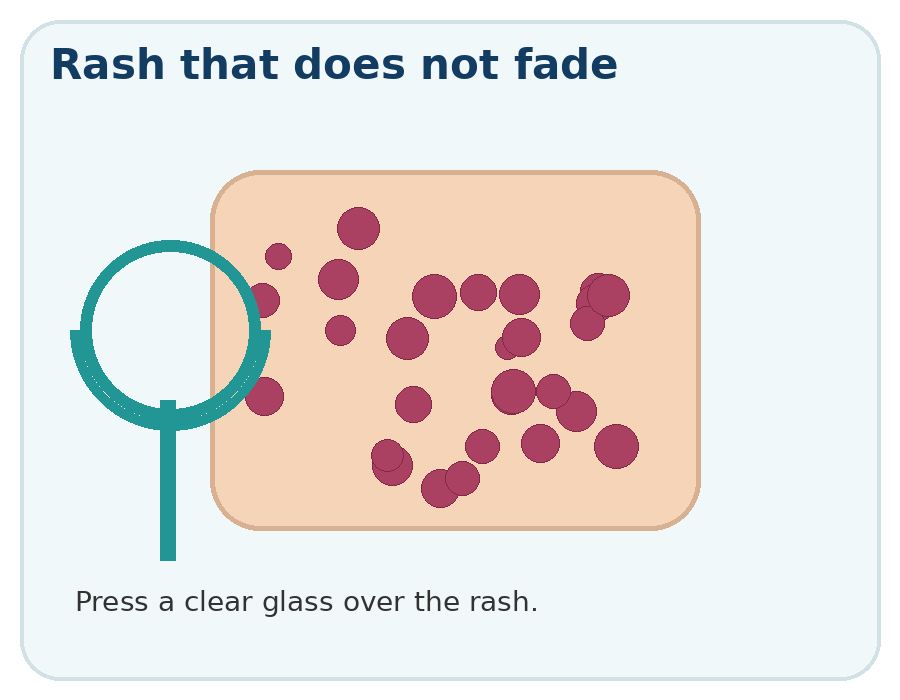
Rash that does not fade Use the glass test, but remember a rash may be absent.
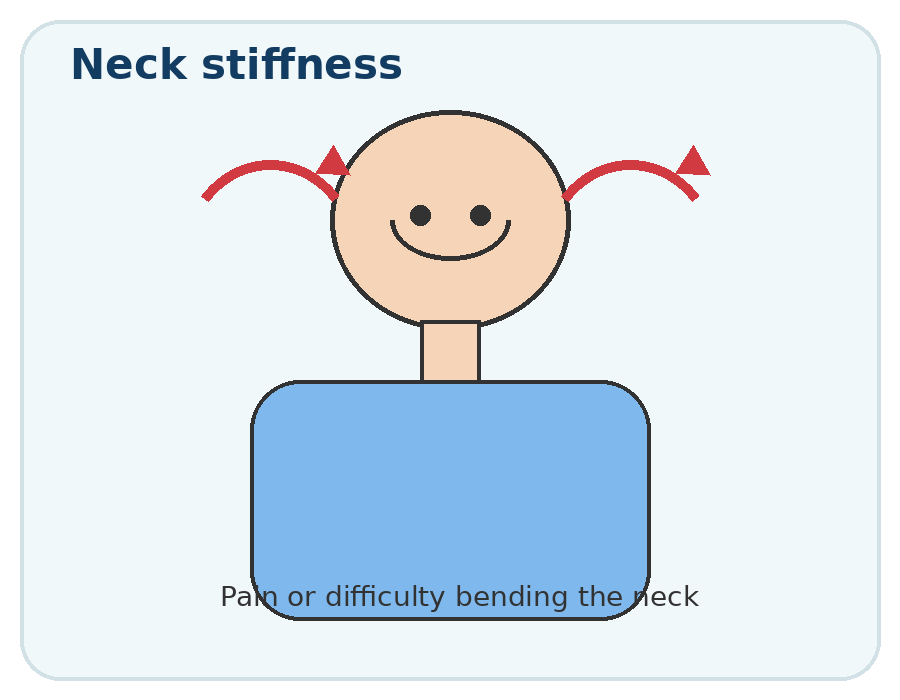
Neck stiffness or photophobia Pain when bending the neck or strong light sensitivity matters.
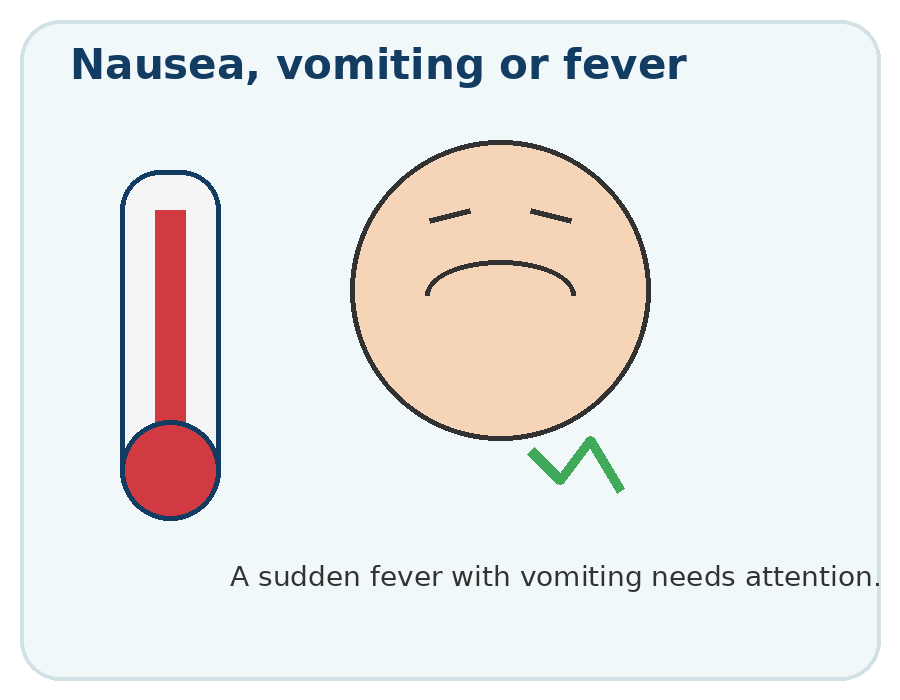
Nausea, vomiting or fever A sudden fever with vomiting should not be ignored.
What to do if you are concerned
Emergency: act now
Call 999 or go to the nearest A&E immediately if you think someone may have meningitis or sepsis.
Trust your instincts. Do not wait for every symptom or for a rash.
Urgent but unsure
Call NHS 111 for advice if you are worried but not sure how serious it is.
Contact your GP, campus health centre or local urgent care service.
University communication
Students should tell their tutor, personal tutor, programme team, student support or another relevant contact promptly.
No student should feel they are being a nuisance by speaking up.
Vaccination and prevention for students
Vaccination is one of the best ways to reduce the risk of some serious infections that can cause meningitis and meningococcal disease.
Students starting university should check that they have had the MenACWY vaccine. In the UK, students under 25 who have not already had MenACWY can ask their GP for it, ideally before starting university, or as soon as possible after arrival.
Students should also check that they have had 2 doses of MMR vaccine, as measles and mumps outbreaks can occur in university settings.
Students who spend most of the year at their university address should register with a local GP so that they can access advice, treatment and vaccines quickly if needed.
How the university can help
Clinic attendance
Students may need time away from teaching, placement or work-based learning to attend GP appointments, vaccination clinics, urgent care or hospital review.
Illness-related delay
If a student is unwell or delayed in submitting assignments, they should inform their tutor or relevant university contact promptly so support can be considered.
Exams and assessments
Where appropriate, universities may be able to consider special arrangements, mitigation, extensions or deferrals, but the student must tell the relevant person and follow local procedures.
Pastoral support
Students may also need help with wellbeing, accommodation, communication with family, catching up on missed learning and signposting to wider student services.
When to think about sepsis
Meningitis can cause sepsis, which is life-threatening.
Urgent warning signs can include confusion, slurred speech, blue, grey, pale or blotchy skin, a rash that does not fade, severe breathlessness, or breathing very fast.
If sepsis is possible, say the words: “Could it be sepsis?” and get emergency help.
Suggested signposting
NHS 999 or nearest A&E for suspected meningitis or sepsis.
NHS 111 if urgent advice is needed and you are unsure what to do.
GP or campus health centre for vaccination, follow-up and medical advice.
University tutor, personal tutor, programme team, student support, wellbeing team, disability service or halls/residential staff as appropriate.
Quick action can save lives. Speaking up is the right thing to do.