


Hay fever, also known as allergic rhinitis, affects millions of people across the UK every year and for many it is far more than just a mild seasonal irritation. It can interfere with sleep, reduce concentration, and make everyday activities like commuting or exercising outdoors uncomfortable.
In the UK, hay fever is extremely common, with cases tripling in the last 20 years. It affects 10 to 15% of children and 26% of adults. Roughly 13 million people in the UK suffer from hay fever. Environmental factors such as air pollution, changing lifestyles, and reduced exposure to microbes in early life are often linked to this rise.
The hay fever season in the UK typically stretches from late March through to September, although the severity and timing can vary depending on the type of pollen. Tree pollen tends to peak in spring, grass pollen dominates the early summer months and is the most common trigger, and weed pollen continues into late summer and early autumn. Weather conditions such as warm temperatures and wind can increase pollen counts, making symptoms worse on certain days.
Symptoms can differ from person to person but often include frequent sneezing, a runny or blocked nose, itchy throat, and red or watery eyes. Some people also experience headaches, fatigue, and disrupted sleep. For those with asthma, hay fever can make breathing symptoms worse and harder to control. Even when symptoms seem mild, they can still have a noticeable impact on daily life and productivity.
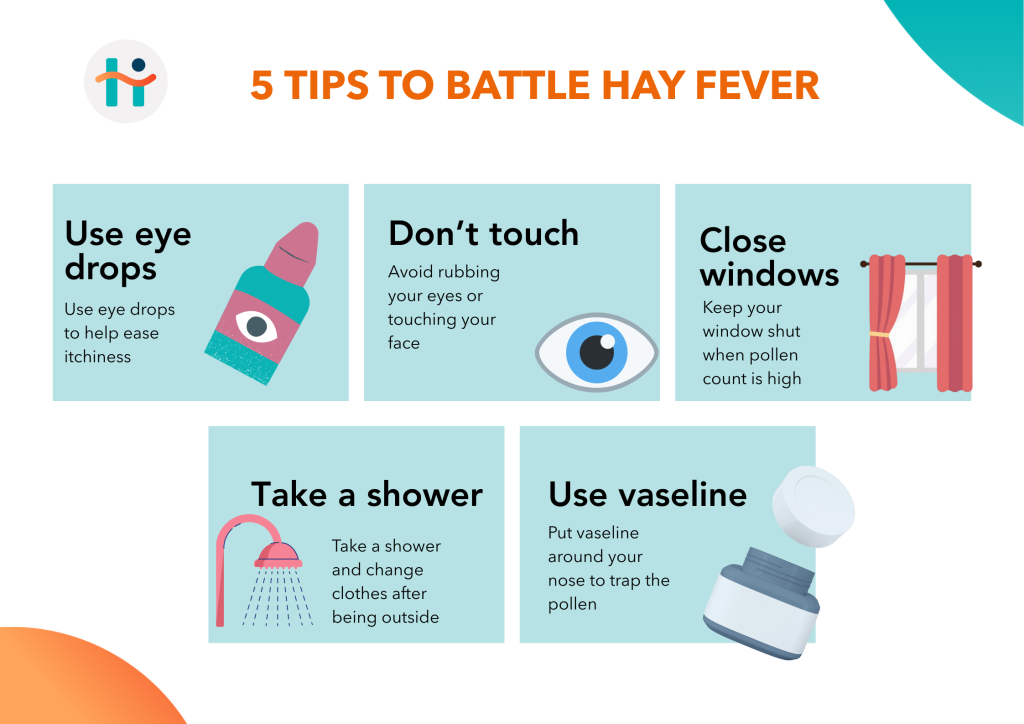
Managing hay fever usually involves a combination of awareness and practical steps to reduce exposure to pollen. Keeping an eye on daily pollen forecasts can help people plan their activities and avoid peak times when counts are highest. Many find it helpful to keep windows closed during these periods, especially in the early morning and evening when pollen levels tend to rise. After spending time outdoors, showering and changing clothes can remove pollen from the body and reduce ongoing irritation.
Simple measures such as wearing sunglasses can help protect the eyes, while drying clothes indoors prevents pollen from collecting on fabrics. Over the counter treatments such as antihistamines, nasal sprays, and eye drops can be very effective, particularly when used early before symptoms become more severe.
Below are some more tips on how you can battle hay fever.
For those whose symptoms are persistent or difficult to manage, seeking advice from a pharmacist or GP can be an important next step. Prescription treatments or longer term options like immunotherapy may be recommended in more severe cases.
Hay fever is a widespread and often underestimated condition in the UK, but with the right approach it can be managed effectively. Small changes to daily habits combined with appropriate treatment can make a significant difference, allowing people to enjoy the warmer months with fewer disruptions.