
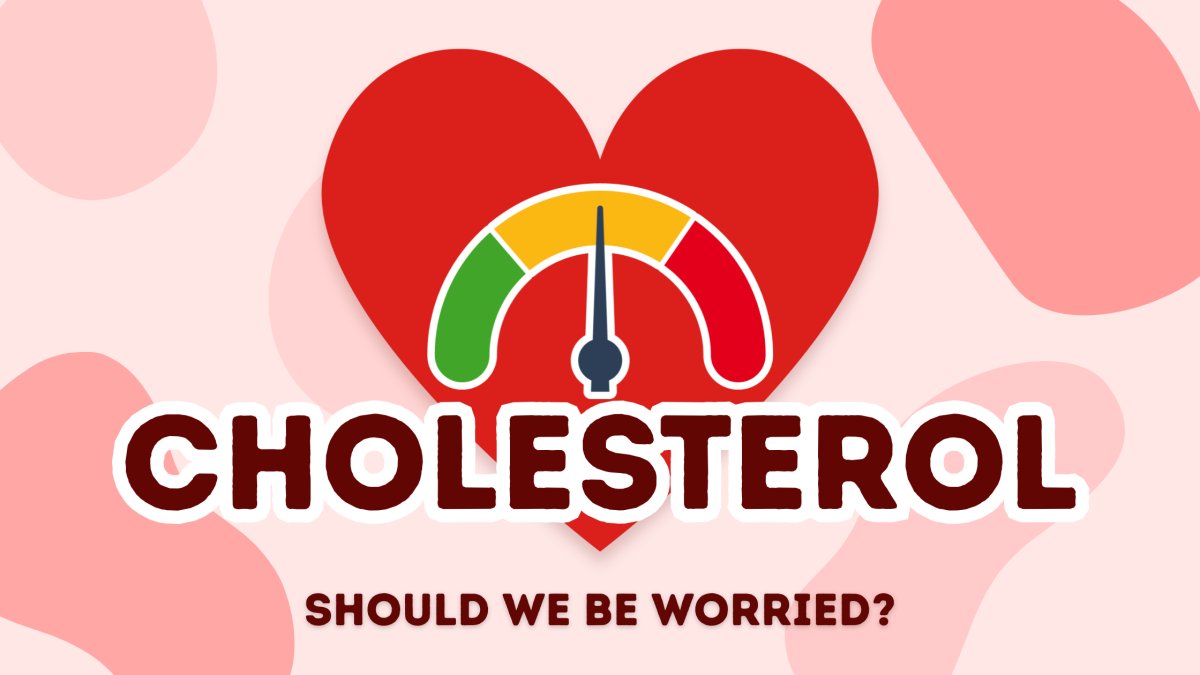
Cholesterol is a waxy, fatty substance (lipid) found in the blood that the body uses to build cells and make hormones. It plays a vital role in how our body works…so why do we need to be aware of it?
Cholesterol comes in two forms:
HDL -high density lipoprotein (good cholesterol)
LDL– low density lipoprotein (bad cholesterol)
These lipoproteins are carried to where they need to go in the body through the bloodstream. However, when there is too much LDL it starts to build up in the arteries by sticking to the walls- which eventually gets in the way of the blood moving through the arteries as well as it used to…which is when it becomes a problem.
High cholesterol can lead to blockages in your blood vessels, this increases the risk of potential heart problems or a stroke.
What can cause high cholesterol?
There can be a number of reasons your cholesterol can become raised, things such as:
Diet and lifestyle
- Diet high in saturated fats
- Lack of physical activity (fats aren’t being used up for energy)
- Smoking
- Drinking large quantities of alcohol
Age and genetics
- Becomes more common as you get older
- High cholesterol can run in the family
- Genetic conditions that mean fats aren’t processed in the usual way
Other conditions
- Obesity
- Diabetes
- Certain medications can increase risk
How will I know if I have high cholesterol?
Unfortunately high cholesterol doesn’t really have any signs or symptoms on its own, the only way to find out if you have high cholesterol is through a blood test.
What can lower your cholesterol?
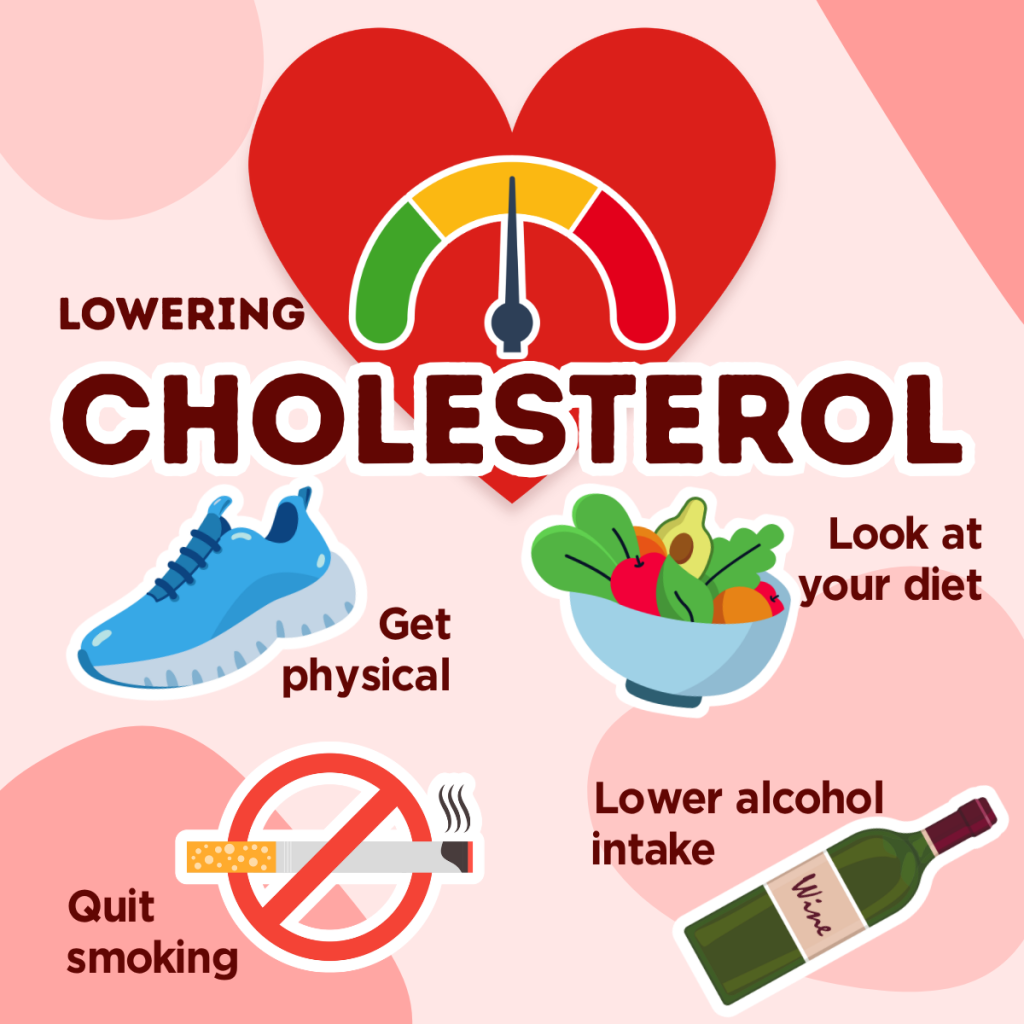
As well as increasing your physical activity and quitting smoking, there are several ways you can adapt your diet to help lower your cholesterol:
- Eat more whole grains- linked to lower risk of heart disease. Beta-glucan (which lowers cholesterol) can be found in oats and barely
- Eat oily fish once a week which can help to increase HDL levels and be good for the heart
- Olive oil- increases HDL
- Purple fruits and vegetables may help increase HDL as they are rich in anthocyanins
- Avocados contain monounsaturated fatty acids and fibre, both help to lower LDL cholesterol
- Legumes (eg. beans, peas, lentils etc.) are good for helping to lower LDL
- Nuts are loaded with good fats and fibre which help to lower cholesterol
- Eat less saturated fat- processed meat, pies, pastry, butter, cream and coconut oil
- Opting for leaner meat or cutting the fat off before cooking
This month is National Cholesterol Month 2026, click here to see Heart UKs website.