
As the weather gets warmer and we spend more time outdoors, it’s important to remember the impact the sun can have on our health. While sunshine can boost mood and help our bodies produce vitamin D, too much exposure to ultraviolet (UV) rays can increase the risk of sunburn, heat exhaustion, premature skin ageing, and skin cancer.
The good news is that staying safe in the sun doesn’t mean avoiding it altogether. A few simple precautions can make a big difference.
Top tips for sun safety
Protect your skin
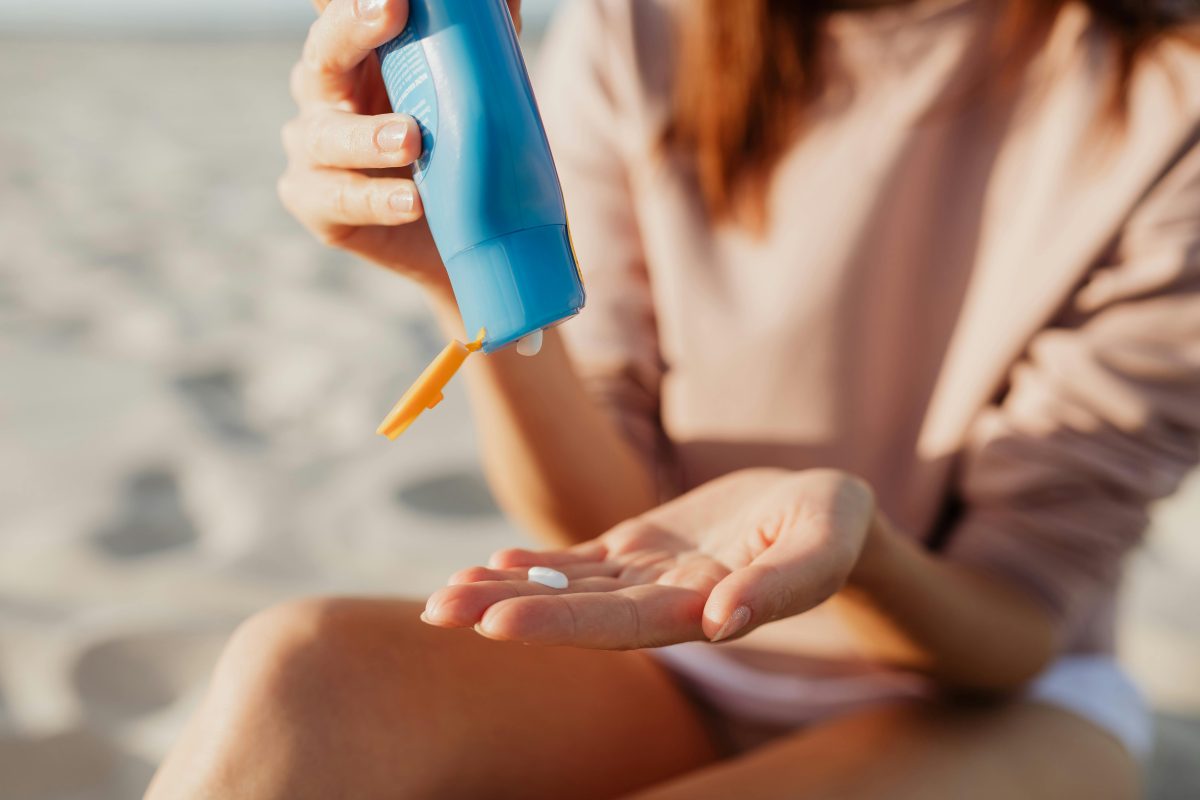
Use a broad-spectrum sunscreen with at least SPF 30 and apply it generously to all exposed skin. Don’t forget areas like ears, neck, scalp, and tops of feet. Reapply every two hours, especially after sweating or prolonged time outdoors.
Seek shade during peak hours
The sun’s rays are strongest between 11am and 3pm. If possible, spend time in the shade during these hours or take regular breaks indoors.
Cover up
Lightweight clothing, sunglasses with UV protection, and a wide-brimmed hat can help protect your skin and eyes from harmful UV exposure.
Stay hydrated
Warm weather can increase the risk of dehydration. Drink plenty of water throughout the day, even if you don’t feel thirsty.
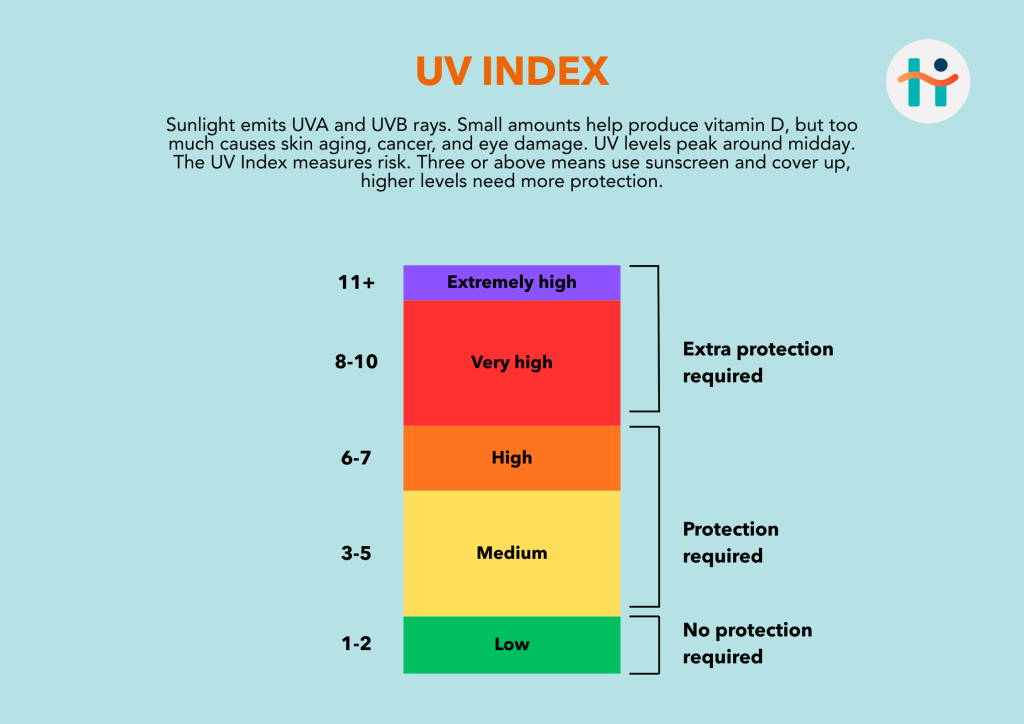
Check the UV index
UV levels can still be high even when it’s cloudy. Checking the daily UV index can help you plan ahead and take the right precautions.
Sun safety at work
For people who work outdoors or travel between sites, sun safety is especially important. Long periods in direct sunlight can increase the risk of dehydration, fatigue, sunburn, and heat-related illness.
If your role involves working outside, try to take regular breaks in shaded or cooler areas where possible. Keep a reusable water bottle nearby and drink regularly throughout the day. Wear lightweight, breathable clothing that still provides coverage, and remember to apply sunscreen before starting work and reapply it throughout the day.
It’s also important to look out for colleagues during periods of hot weather. Symptoms of heat exhaustion can come on quickly, so encouraging hydration, rest breaks, and awareness can help keep everyone safe and well.
Know the signs of heat-related illness
Too much heat and sun exposure can lead to heat exhaustion or heatstroke. Watch out for symptoms such as dizziness, headaches, excessive sweating, nausea, muscle cramps, feeling faint, or confusion.
If symptoms become severe or someone becomes unwell, seek medical advice immediately.
Did you know?
- UV rays can damage your skin even on cloudy days
- Sunburn increases your risk of developing skin cancer later in life
- Dehydration can affect concentration, energy levels, and mood
- Light-coloured clothing can help keep you cooler in hot weather
- It can take as little as 15 minutes for skin to burn in strong UV conditions
Don’t forget about skin checks
Getting to know your skin and checking for any new or changing moles is an important part of staying healthy. Early detection is key when it comes to skin cancer.
UV safety infographic
Take a look at our UV safety infographic below for a quick and easy guide to understanding UV levels and how to protect yourself in different conditions.
Enjoy the sunshine safely and make sun protection part of your everyday routine this summer.